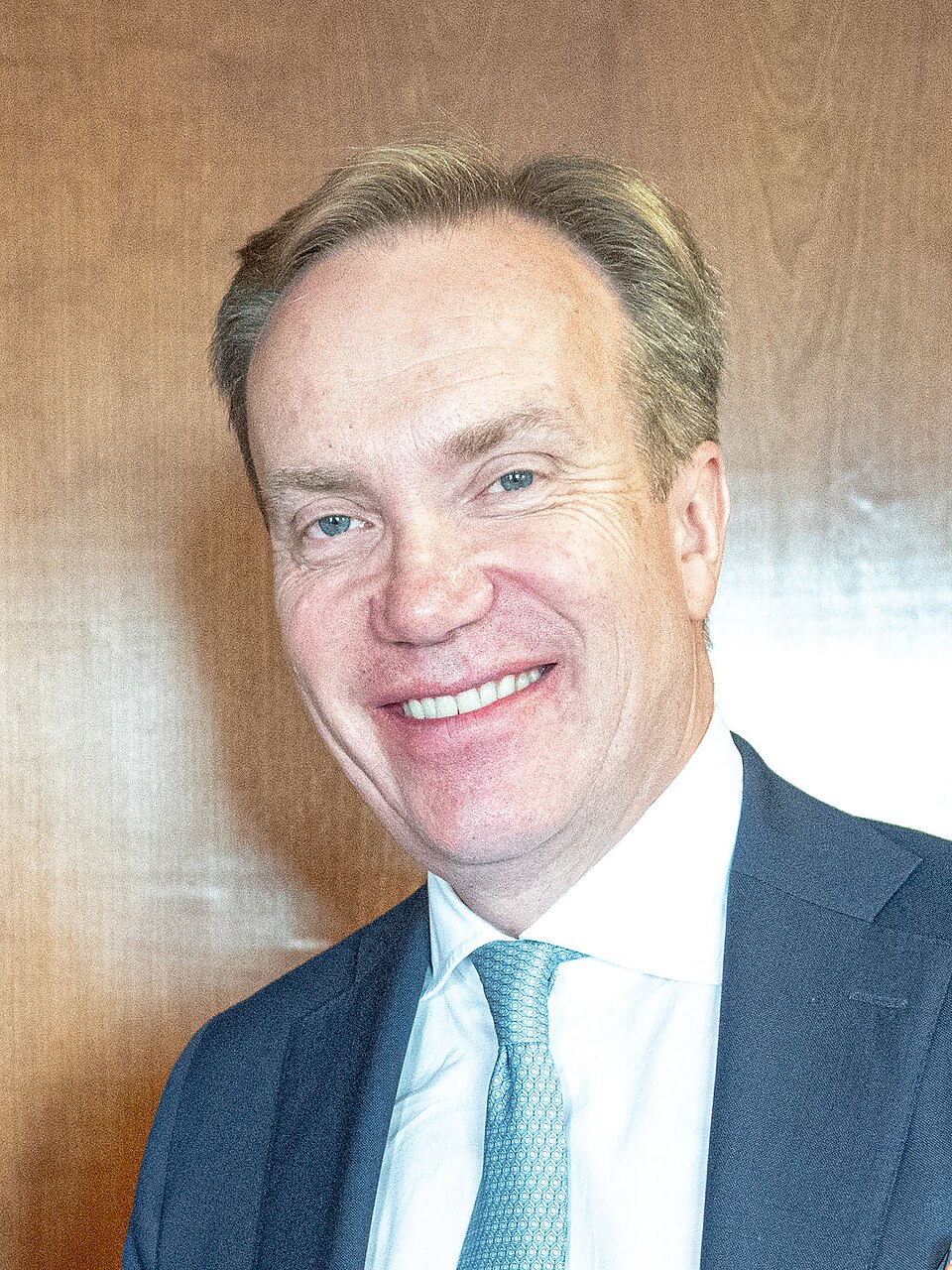
Epstein Fallout: Brende's WEF Departure and the Scandal's Reach
The reverberations of the Jeffrey Epstein scandal continue to shake the foundations of elite circles globally, reaching as far as the World Economic Forum (WEF). Børge Brende, who served as President and CEO of the Davos-based organization since 2017, recently announced his decision to step down. This significant departure follows revelations of his past contact with the convicted sex offender, bringing intensified scrutiny upon the WEF and its leadership. The saga underscores a critical moment for organizations and high-profile individuals regarding due diligence and public accountability.
The Immediate Fallout: Brende's Resignation and WEF's Response
Børge Brende's resignation, announced after "careful consideration," marks a pivotal development in the ongoing Epstein fallout. Brende, a former Norwegian foreign minister, made his decision public amidst an independent review initiated by the World Economic Forum into his interactions with Epstein. This internal probe, which was still underway at the time of his departure, aimed to clarify the extent and nature of their Børge Brende's Epstein Ties: Inside the World Economic Forum Probe.
In a statement addressing his decision, Brende expressed gratitude for his collaboration with colleagues and partners, stating, "I believe now is the right moment for the Forum to continue its important work without distractions." This highlights the immense pressure and potential reputational damage that the connection to Epstein could inflict upon the WEF, an organization central to global dialogues on pressing issues. The institution, by launching an independent review, demonstrated an attempt to address the allegations transparently, even as the ultimate outcome for Brende was his departure.
The timing of the resignation, following the public release of US Justice Department files detailing past contacts, suggests an effort to mitigate further negative press for the World Economic Forum. Brende's exit comes as yet another prominent figure linked to Epstein faces severe consequences, underscoring the enduring and far-reaching impact of the scandal. For more details on this significant event, read about the WEF Head Børge Brende Resigns Amid Epstein Connections.
Unpacking the Brende-Epstein Interactions (des échanges)
The core of the controversy surrounding Børge Brende stems from his admitted interactions with Jeffrey Epstein between 2018 and 2019. Brende acknowledged that he was invited to a dinner in New York in 2018 by former Norwegian politician Terje Rød-Larsen, where Epstein was introduced as an American investor. He subsequently attended two additional dinners the following year, which included other diplomats and business leaders.
These interactions, often referred to as 'échanges' or exchanges in French, extended beyond mere dinner invitations. Brende confirmed the extent of his contact: "These dinners, and a few emails and SMS messages, were the extent of my interactions with him." He maintained that he was "completely unaware of Epstein’s past and criminal activities" at the time of these meetings and communications. The emails between Brende and Epstein, exchanged in 2018 and 2019, reportedly discussed meetings at Epstein's New York residence for dinner, forming part of these critical échanges.
Epstein's criminal history, however, was a matter of public record. He was convicted in 2008 for procuring a minor for prostitution, serving a jail sentence. Despite this, he continued to associate with powerful and influential figures before being re-arrested in 2019 on federal sex trafficking charges involving underage girls. His death in prison later that year, while awaiting trial, left many questions unanswered but significantly intensified the scrutiny on those who had associated with him, regardless of their professed awareness.
The Broader Ripple Effect: Scandals and Scrutiny
Brende's resignation is not an isolated incident but rather a continuation of the ripple effect stemming from the Jeffrey Epstein scandal. The fallout has swept across various sectors, impacting individuals at the pinnacle of corporate and political power. High-profile figures such as Bill Gates, who asserted he "did nothing illicit," have had to publicly address their connections. Goldman Sachs' top lawyer, Kathy Ruemmler, also stepped down from her position over ties to Epstein, and former Prince Andrew faced significant legal challenges and public disgrace.
This widespread scrutiny highlights a crucial vulnerability for prominent individuals and organizations: the company they keep. In an increasingly transparent and interconnected world, associations, however seemingly innocuous at the time, can carry profound consequences when the truth about an individual's past comes to light. For the World Economic Forum, an organization dedicated to improving the state of the world, having its leader linked to a convicted sex offender created a significant credibility challenge. The controversy exacerbated existing criticisms of the WEF, with some leveraging the situation to intensify their concerns about the organization's influence and agenda.
Organizational Integrity and Due Diligence in a Connected World
The Brende-Epstein episode serves as a stark reminder of the paramount importance of robust due diligence and ethical leadership, especially for entities operating on a global stage like the World Economic Forum. For leaders and organizations, proactive measures are no longer just good practice but a critical necessity for maintaining trust and reputation. Here are some actionable insights:
- Rigorous Background Checks: For any individual invited into a prominent social or professional circle, particularly those connected to high-stakes networking, comprehensive background checks are indispensable. Basic public record searches, or even a simple internet search, could have revealed Epstein's criminal history prior to these échanges.
- Clear Ethical Guidelines: Organizations must establish and enforce explicit ethical guidelines regarding associations and interactions. Leaders should be educated on the potential reputational risks associated with engaging with individuals whose pasts may be questionable, regardless of the perceived immediate benefits.
- Transparency and Prompt Action: When allegations surface, transparency and swift, decisive action are crucial. The WEF's decision to launch an independent review, while Brende eventually resigned, demonstrated an understanding of the need to address the issue head-on rather than ignoring it.
- Reputation Management Strategy: Organizations should have a proactive reputation management strategy that anticipates and prepares for potential crises. This includes clear communication protocols and a mechanism for investigating and responding to controversies effectively.
- Leadership Accountability: Ultimately, leaders bear the responsibility for their associations. Brende's resignation, despite his claims of unawareness, underscores the expectation for leaders of global institutions to uphold the highest standards of integrity and judgment.
The episode provides valuable lessons in an era where information travels instantly and public memory is long. The failure to conduct adequate vetting can lead to severe personal and institutional damage, far outweighing the benefits of any short-term connections. The long-term implications for the World Economic Forum, as it navigates this controversy, will depend heavily on its continued commitment to transparency and ethical governance.
Conclusion
Børge Brende's departure from the World Economic Forum, triggered by his past échanges with Jeffrey Epstein, marks a significant moment of introspection for global leaders and influential organizations. While Brende maintains he was unaware of Epstein's heinous crimes, the scandal highlights the non-negotiable imperative of due diligence and ethical responsibility in high-profile associations. The fallout continues to underscore how deeply the Epstein affair has permeated the fabric of global elites, challenging organizations like the WEF to reinforce their commitment to integrity and accountability. As the world watches, the ultimate test for these institutions will be their ability to learn from these events, adapt their practices, and reaffirm public trust in an increasingly scrutinized global landscape.